
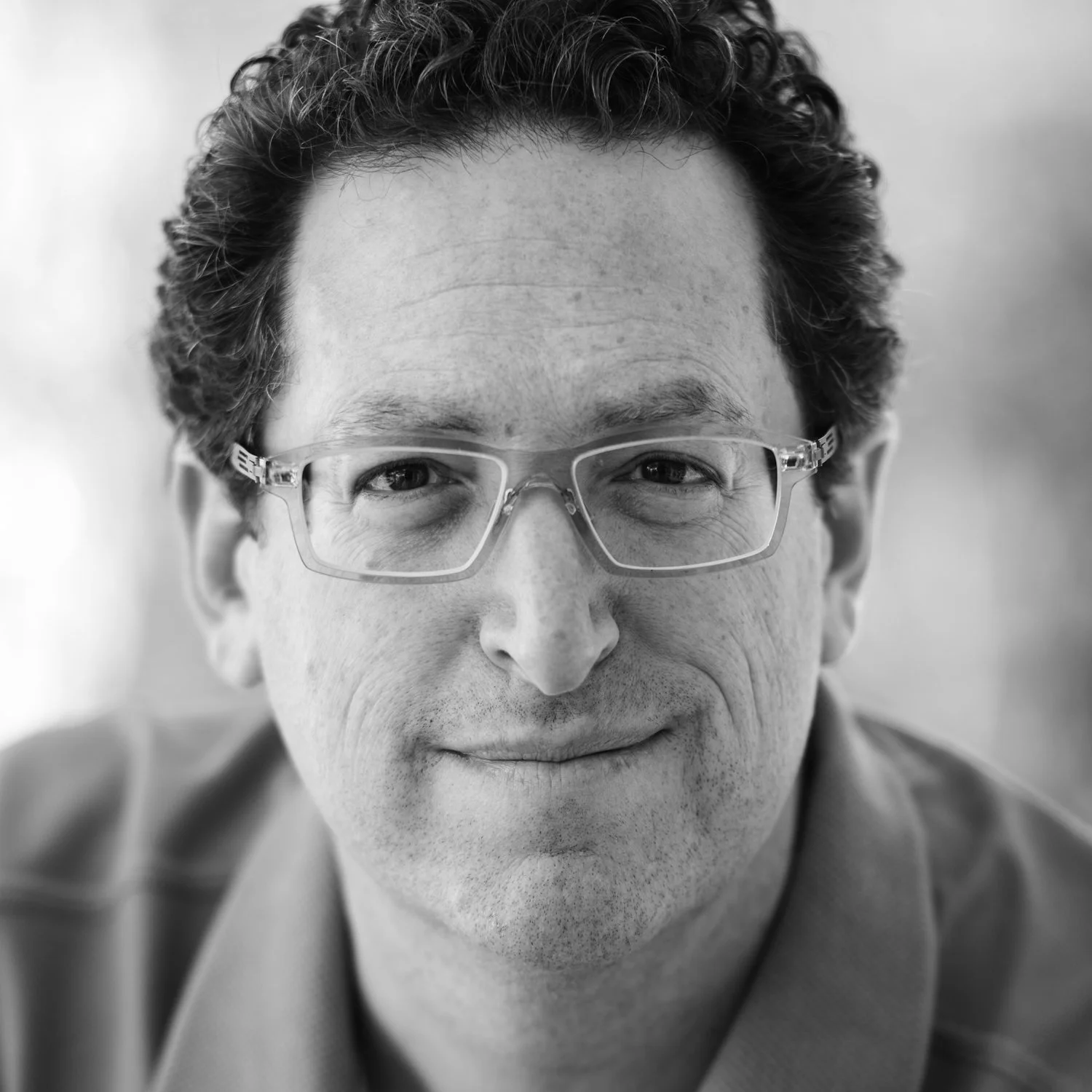
Photography has been part of my life since middle school, when I first began to understand that an image could do more than document — it could change how a viewer thinks and feels. That possibility has driven the work ever since.
I earned a Bachelor of Fine Arts in Photojournalism and a Master of Science in Printing Technology, both from the Rochester Institute of Technology. The two degrees are not unrelated. One taught me to see; the other taught me how images are made, reproduced, and brought into the world. Together they shaped a way of working that has stayed with me: research first, then experimentation, then a process of refinement until the idea has found its form.
The Work
I make the work to think — to work out problems visually that resist other kinds of resolution. Some of those problems are formal: how light falls, how a single subject can be isolated until only its essential form remains. Others are philosophical: what happens to truth when it is systematically eroded, what meaning survives when language is damaged or removed.
I've long thought about Plato's Allegory of the Cave — the idea that people can only be drawn toward understanding, never pushed. Argument rarely changes minds. But an image, entered into freely, can move a person somewhere new. That is what I am trying to make: work that creates the conditions for the viewer to see for themselves.
The work ranges from serene to confrontational. Some of it is quiet. Some of it is not. All of it is an invitation.
The work is made in Ocean View, Delaware.